
Insights on building AI capability, not buying training.
Evidence-first writing on the organisational altitude: the six moves that separate value from pilots, the research behind them, and what to do about it this week. New editions weekly.
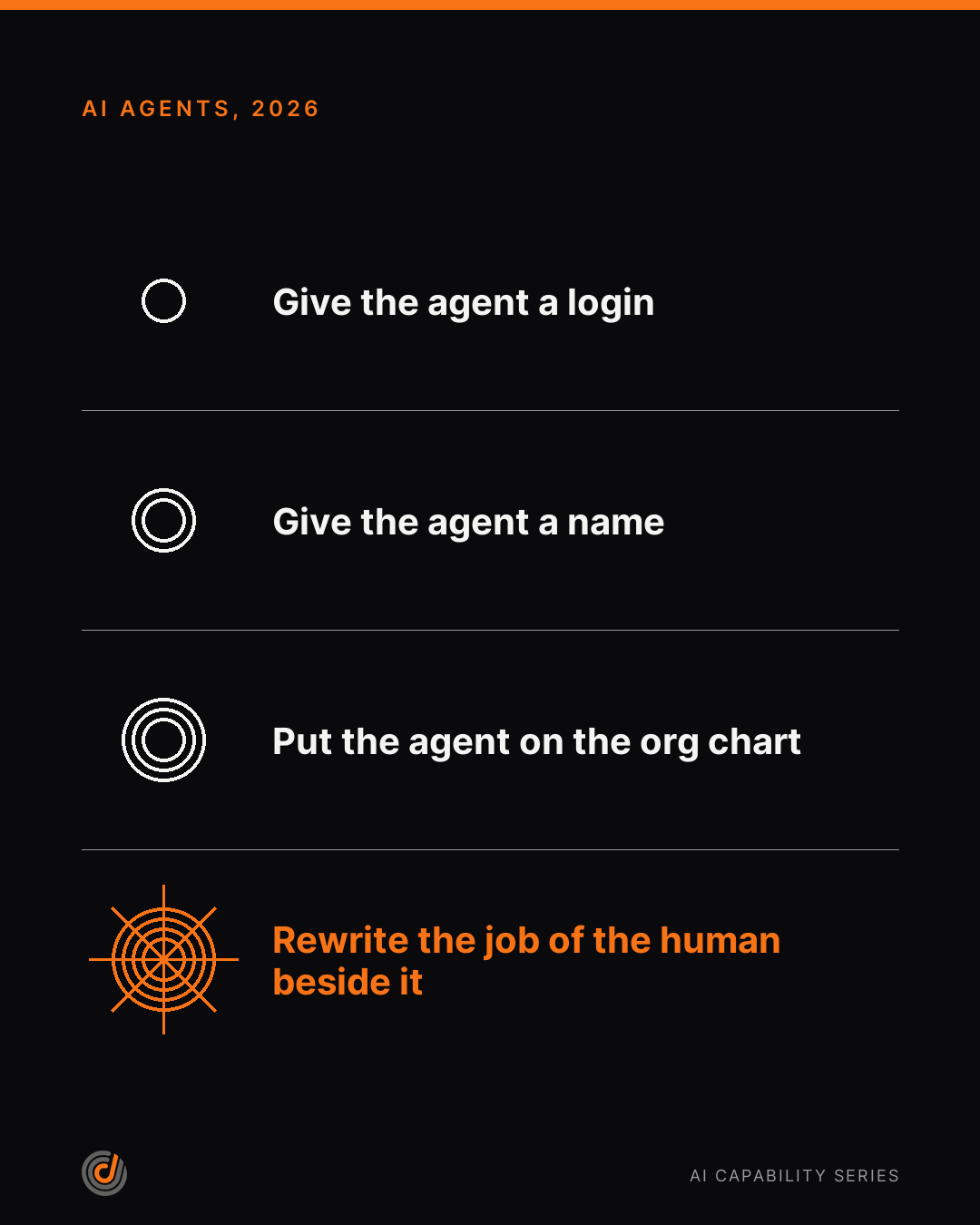
The Agent Got A Job Description. You Didn't.
Agents are getting seats on the org chart while the humans beside them take less responsibility, catch fewer errors and lose track of their role.
Read it
Upskill Yourself Is Not A Plan
Telling employees to upskill themselves hands the organisation's own job, redesigning shared work, to individuals after hours. The numbers show how that goes.
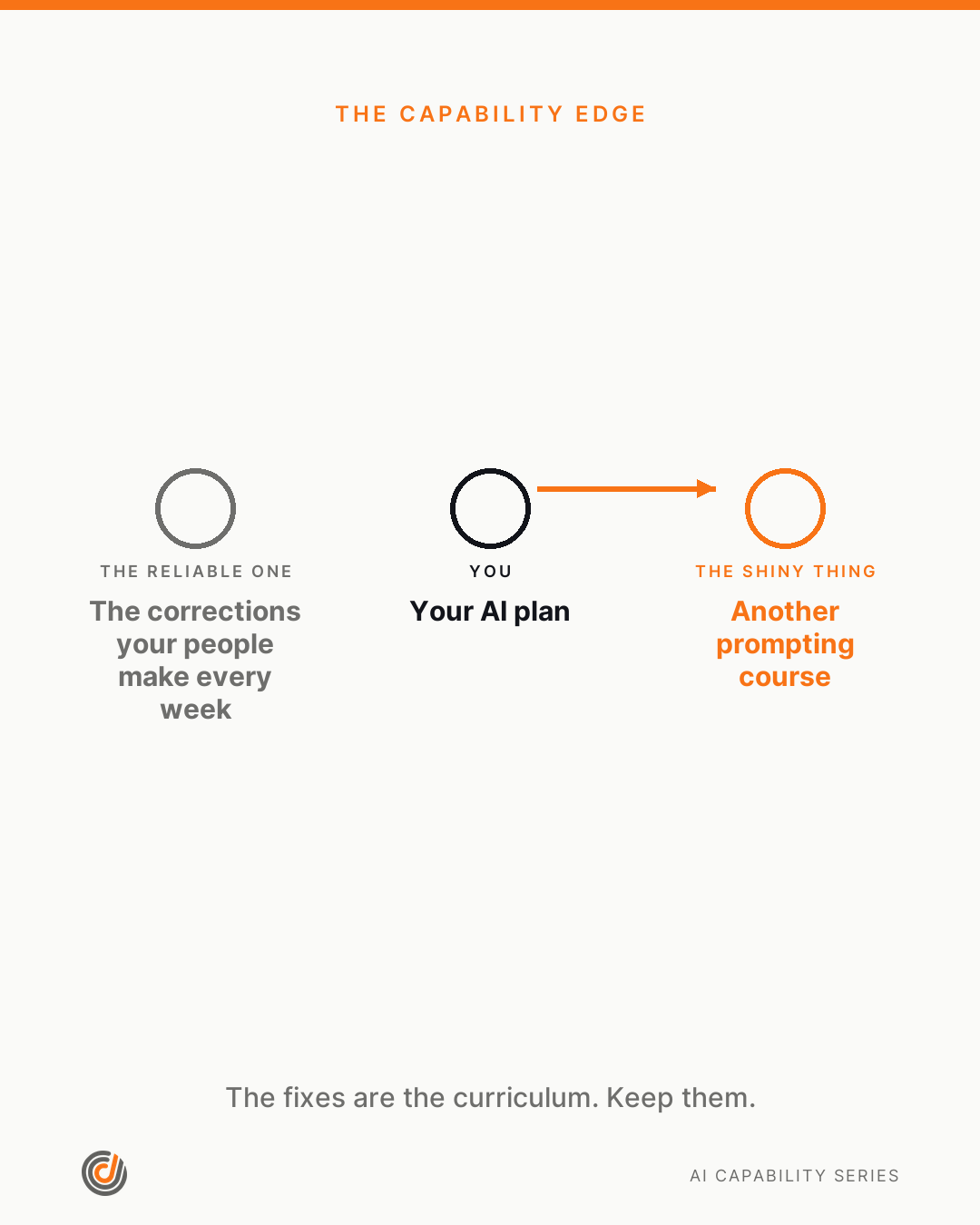
The Curriculum You Throw Away
Your people spend hours a week correcting AI output, and every fix teaches the organisation something it then forgets by Monday.
AI Never Made It Into The Room
Managers use AI every day, but almost never with their teams, and only the person who runs the meeting can change that.
Most of us are learning this in our own time
Most of what I know about working with AI I learned in the evenings. Nobody asked me to and nobody paid for the hours. I tried things, got them wrong, and asked people who were a little further along, and I enjoyed most
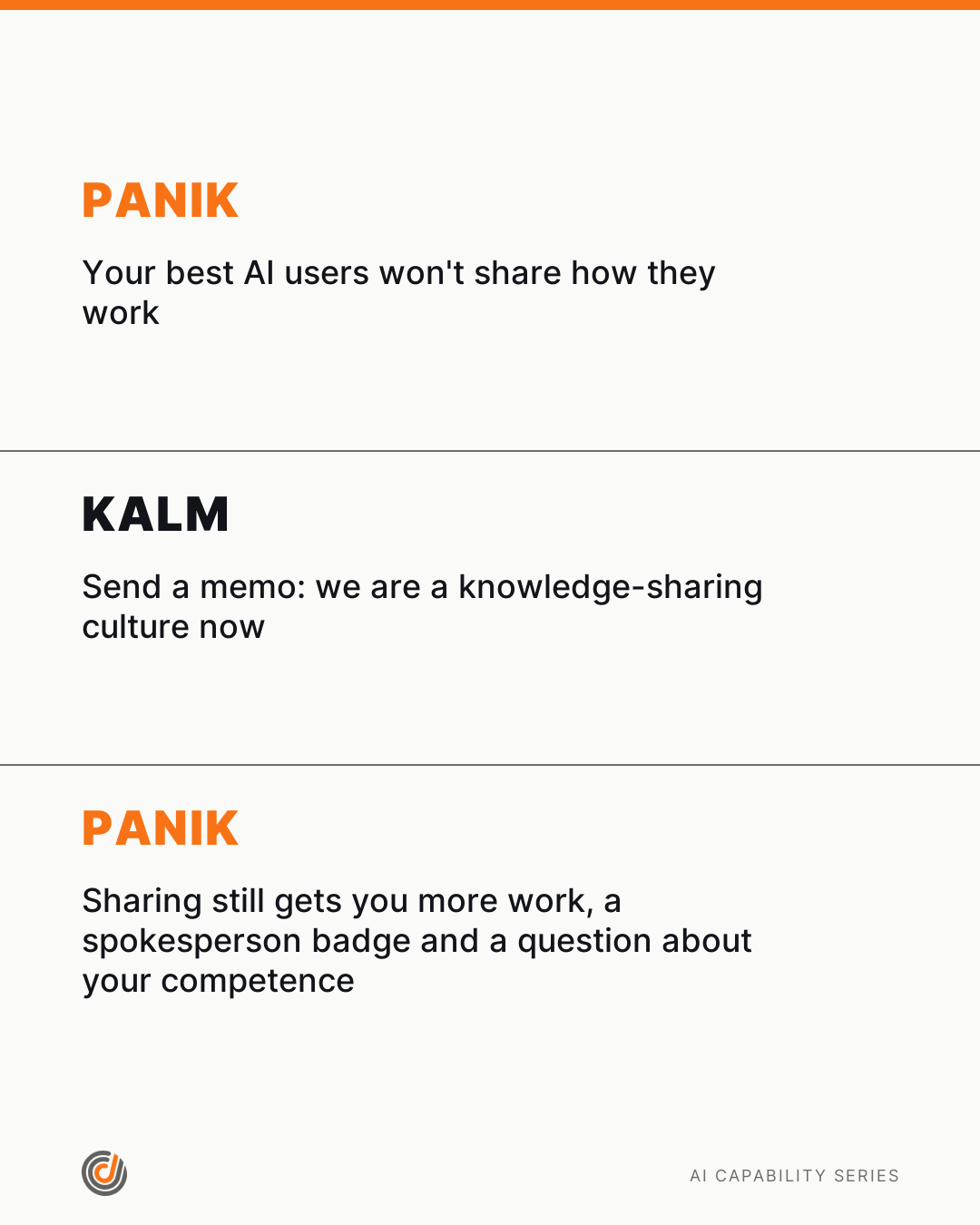
Your Best AI Users Are Hiding Their Methods
Nearly one in three frequent AI users hide their methods from colleagues for rational reasons, and the fix is leadership behaviour, not another training programme.
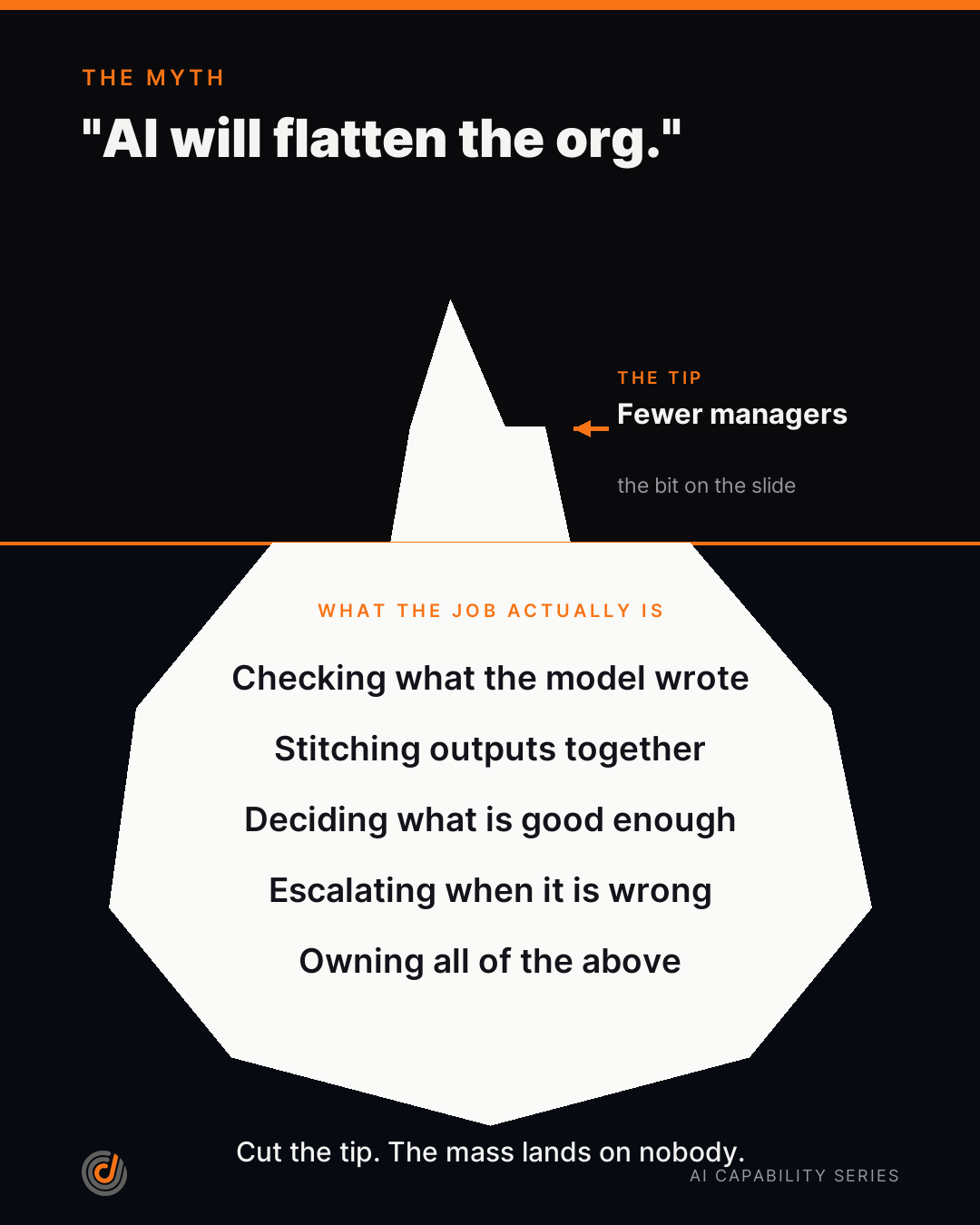
Meta Wants Its Managers Back
Meta bet AI would remove management work; now it is asking its own AI division to manage again, because AI creates that work.
The junior work was the training
Matt Beane spent years watching surgical residents learn, and found that in robotic operations most of them had stopped touching the patient. They watched a screen while the attending worked the console. On paper the tra
Half of every team has not started
Four economists published a task-level map of AI use at work in August, and one number in it surprised me. Across the tasks people actually do, only 2.8% show more than half of workers using AI, and not one task reaches
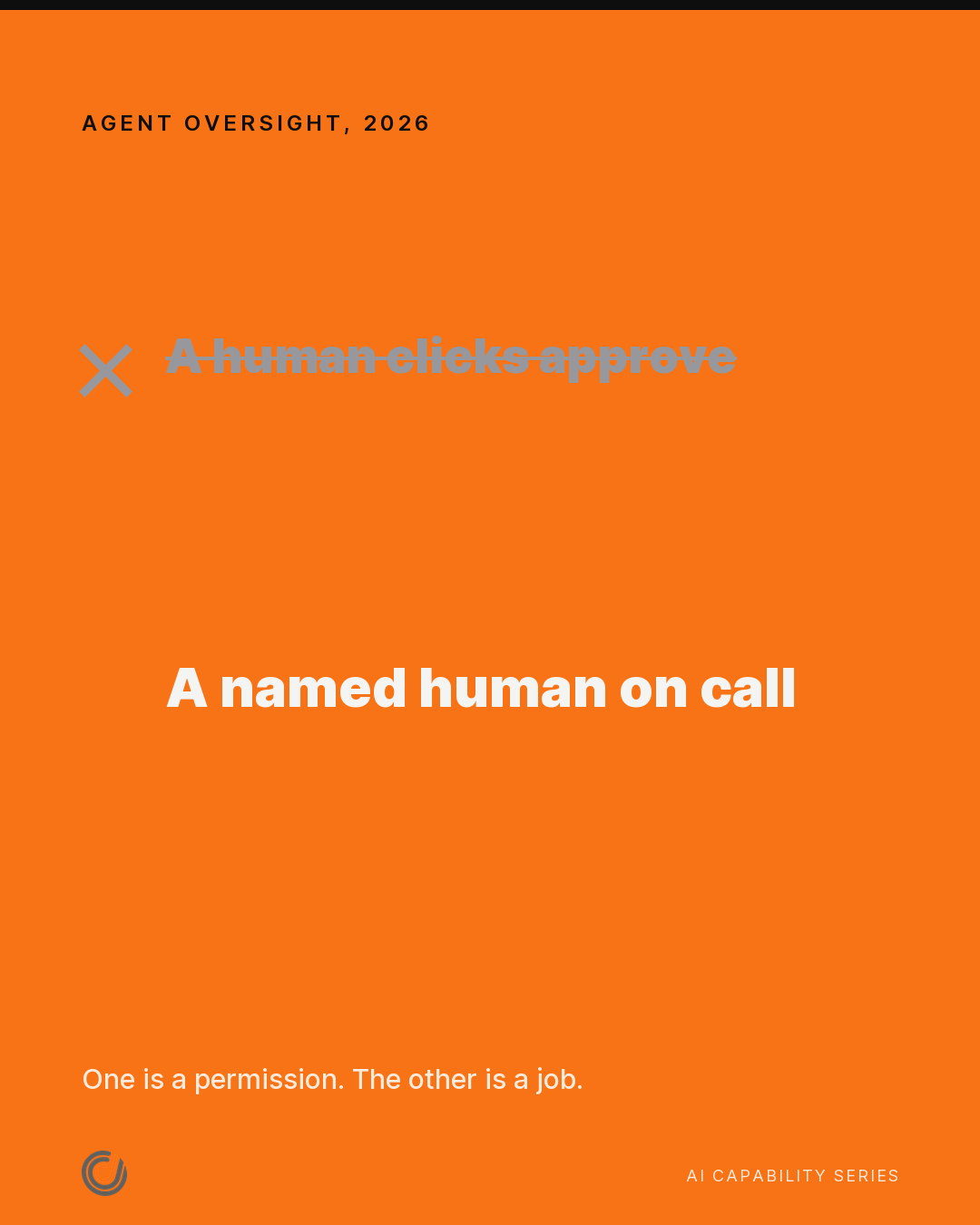
Your Agents Have Nobody To Ask
An approve prompt is a permission, not oversight: nobody has been named, given authority or freed up to be the person an agent escalates to.
We made AI use something to hide
Atlassian's Teamwork Lab ran an experiment this spring in which 961 people judged the same piece of work. The only thing that changed between conditions was a line saying AI had helped produce it. The people who said so
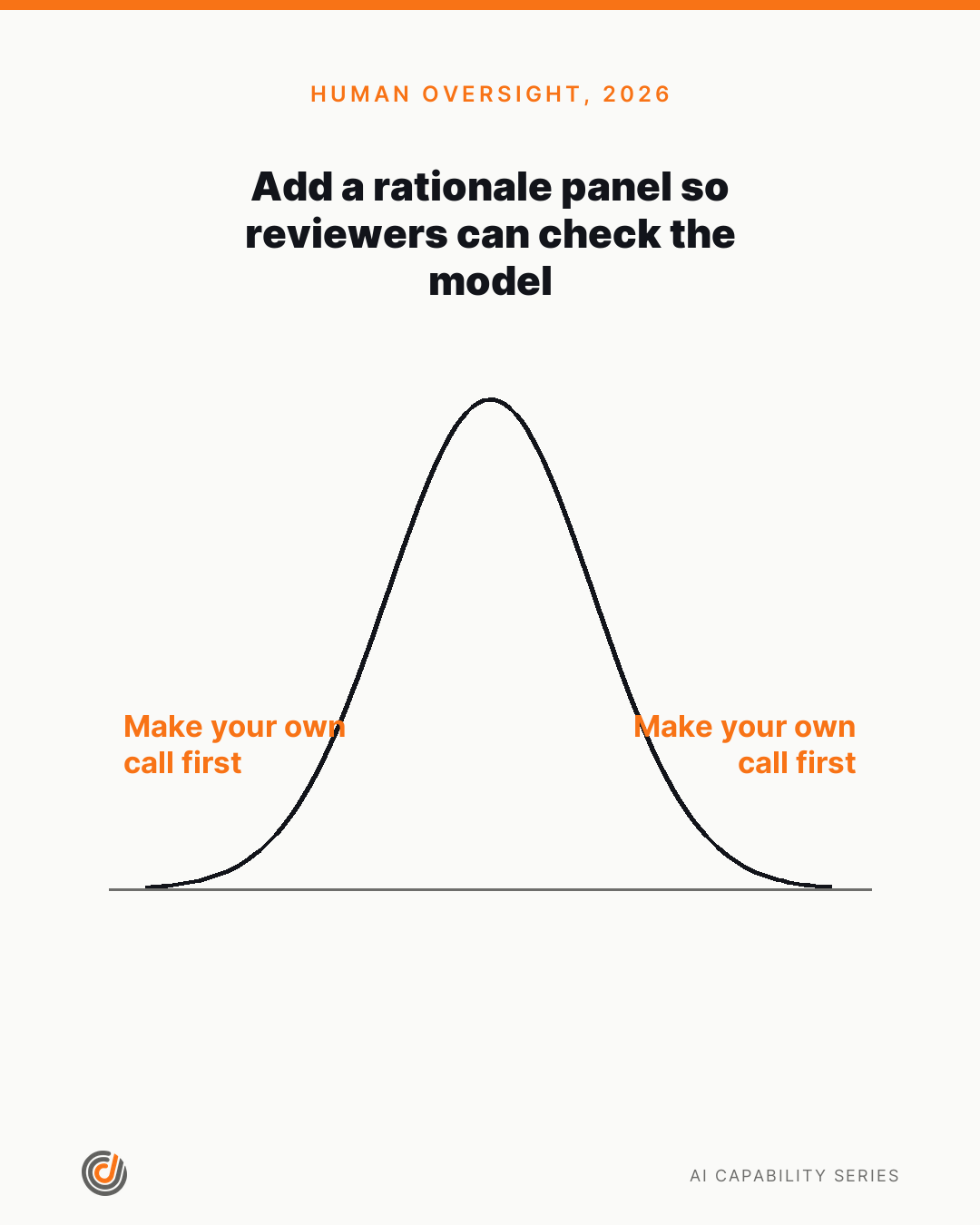
Explainable AI Made Judgment Worse
A field experiment found AI explanations made evaluators worse at disagreeing with the machine, which breaks the core assumption behind human oversight.
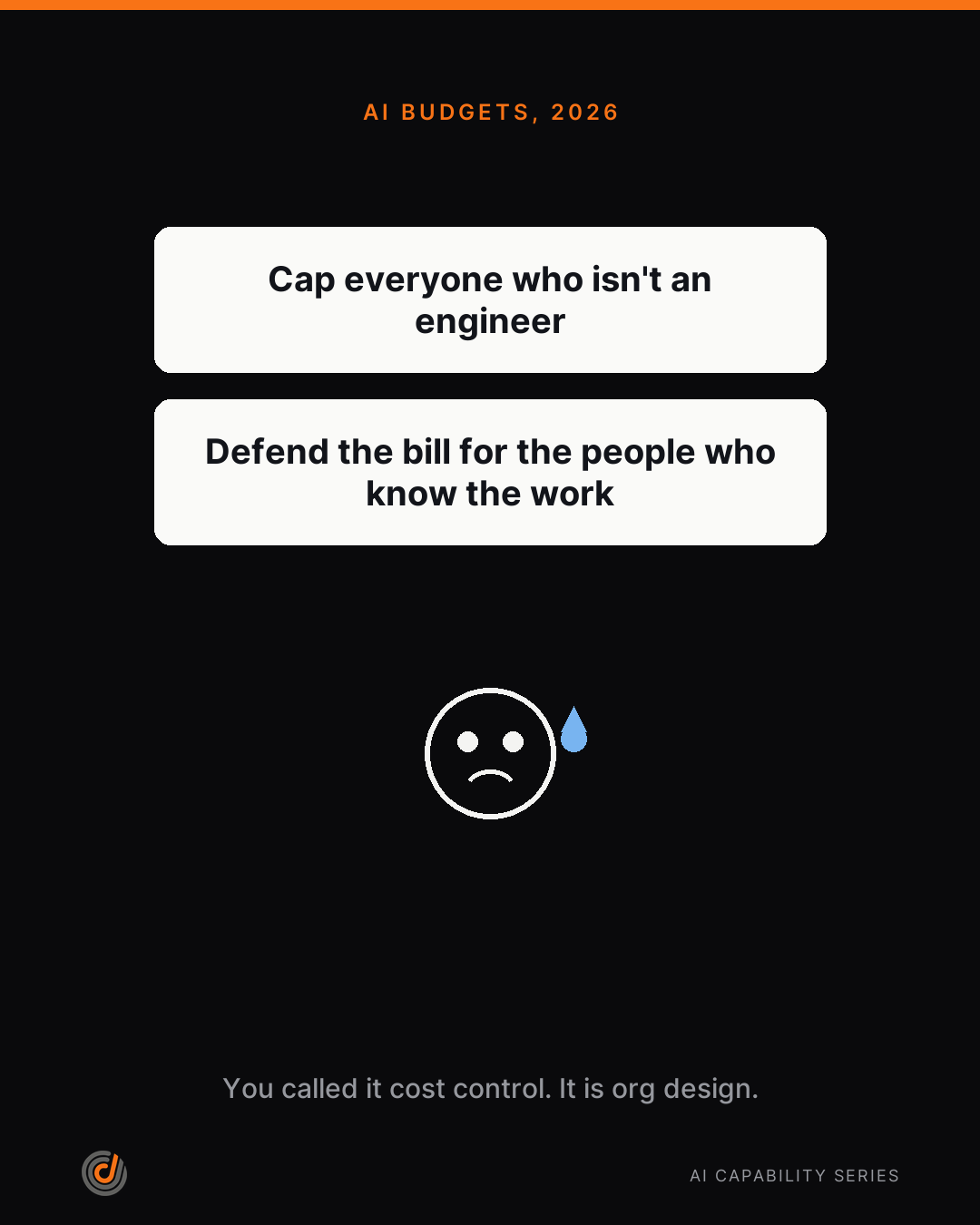
You Are Rationing AI By Job Title
The new split between cheap and premium AI seats is quietly deciding who gets to redesign work, and the wrong people are being capped.
We are automating the work people learn on
Florian Herrengt wrote about an engineer who was asked where the data in his own system comes from. The answer was: "Hmm... actually I don't know. Let me ask Claude." He published that on 11 August, about his own trade,
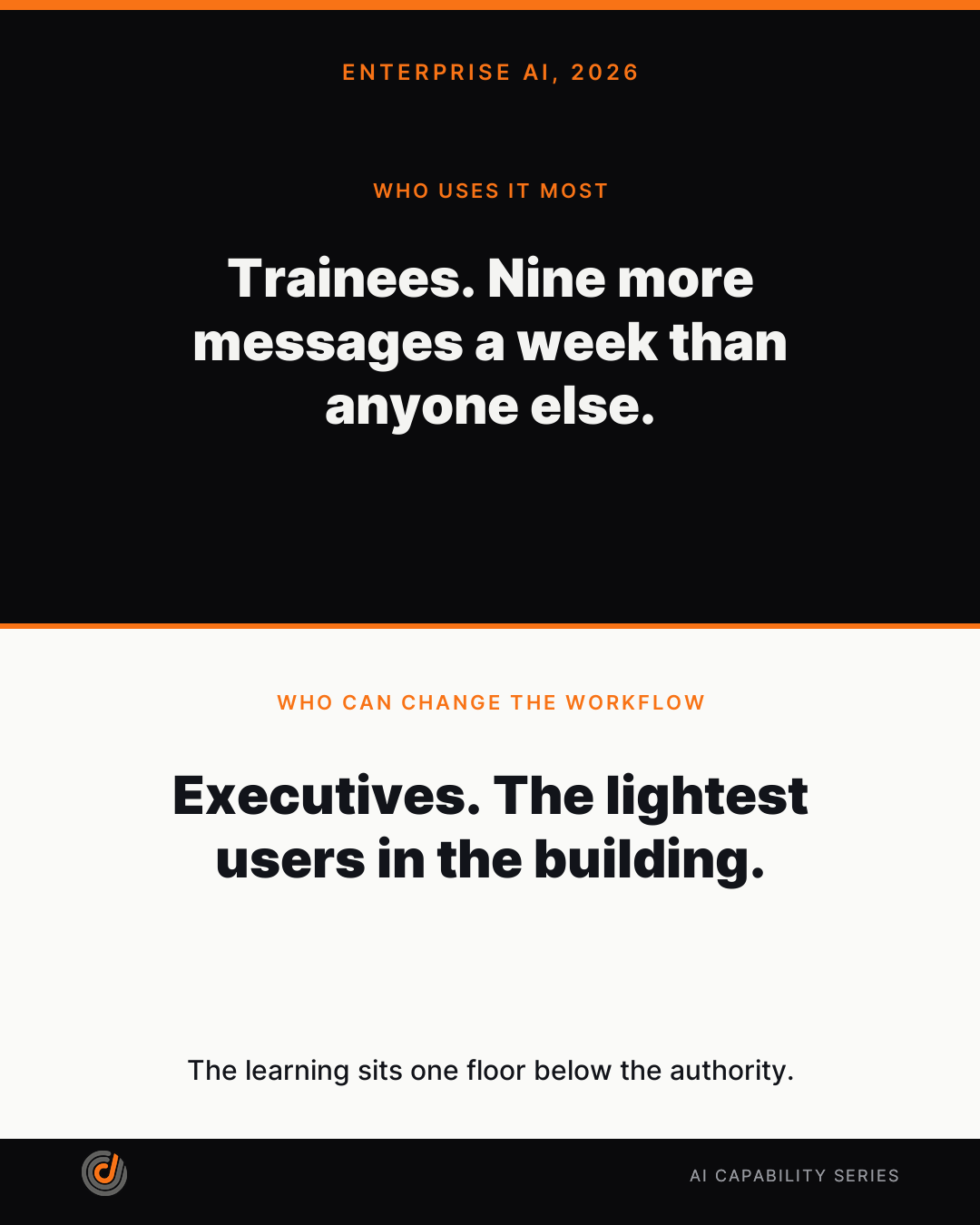
Your Heaviest AI Users Can't Change Anything
New enterprise AI data shows your most intensive users are your most junior people, which is exactly why all that usage produces so little redesign.
We have priced the hard part at zero
On SAP's second-quarter call in July, Christian Klein said the AI transformation "doesn't require massive operational investments like the cloud transformation did". I have read that sentence several times. A large Europ
An agent only runs the company you already have
MIT FutureTech went through the annual filings of every S&P 500 company and found that only 11% had AI deeply integrated into their business processes in 2025. Up from 5% in 2022. It is moving, but slowly. I have been th
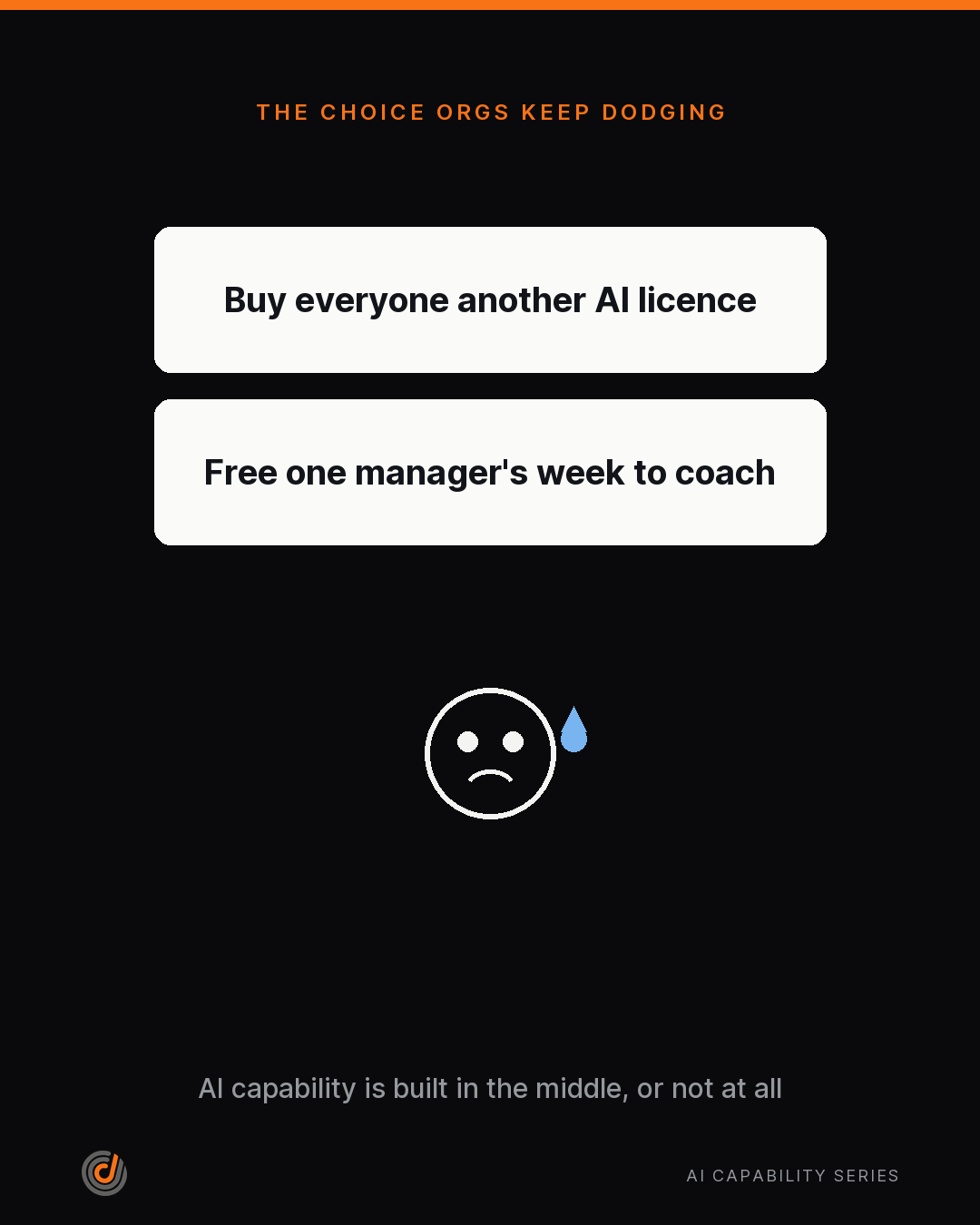
The Coaching Job Nobody Funded
Your AI budget buys seats; the actual skill-building happens in a manager's unpaid, uncounted hour. Fund the hour, not the licence.
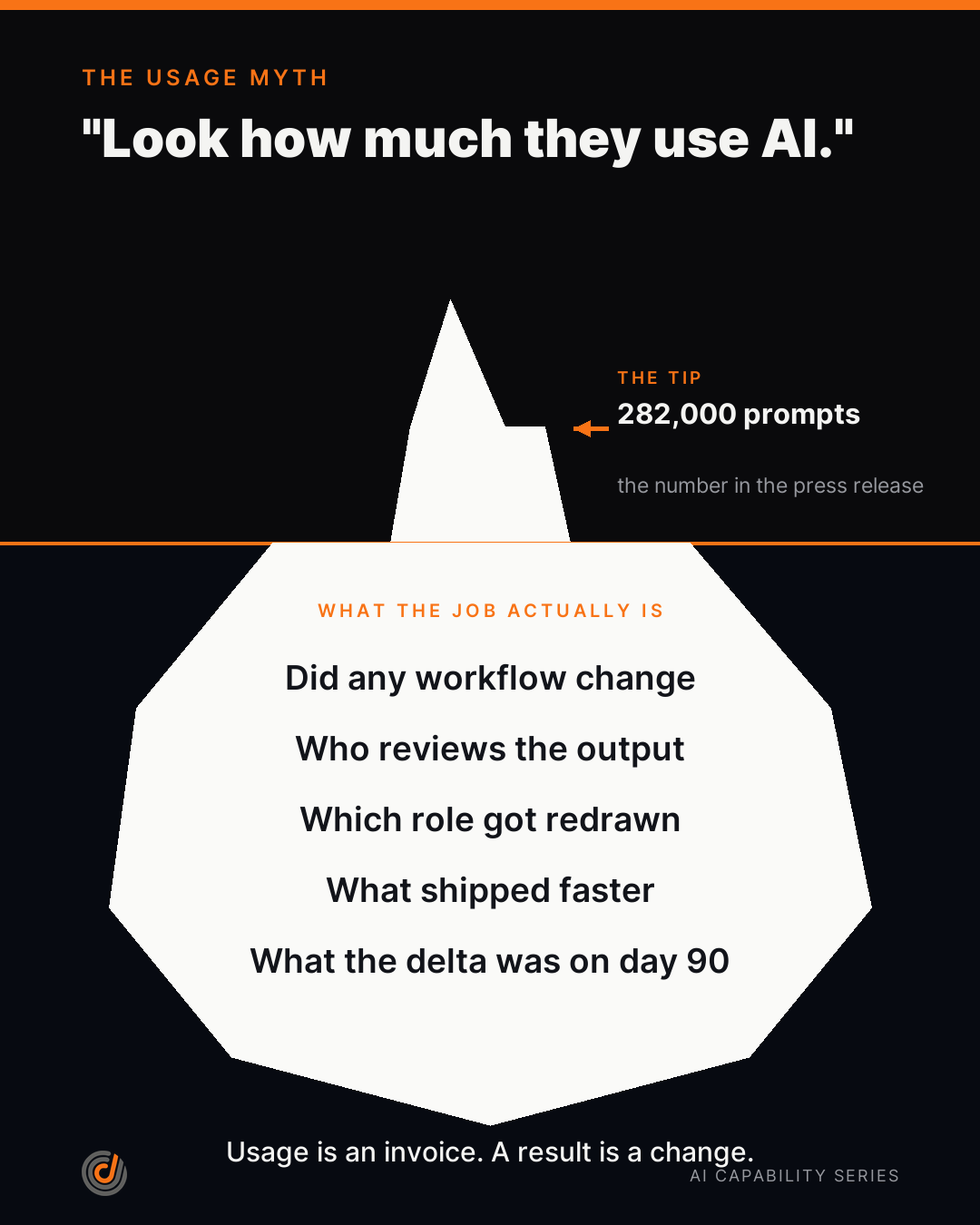
282,000 prompts is not a result
Champion networks are the best capability-building vehicle companies have ever built, and they are being spent on tool adoption instead of workflow redesign.
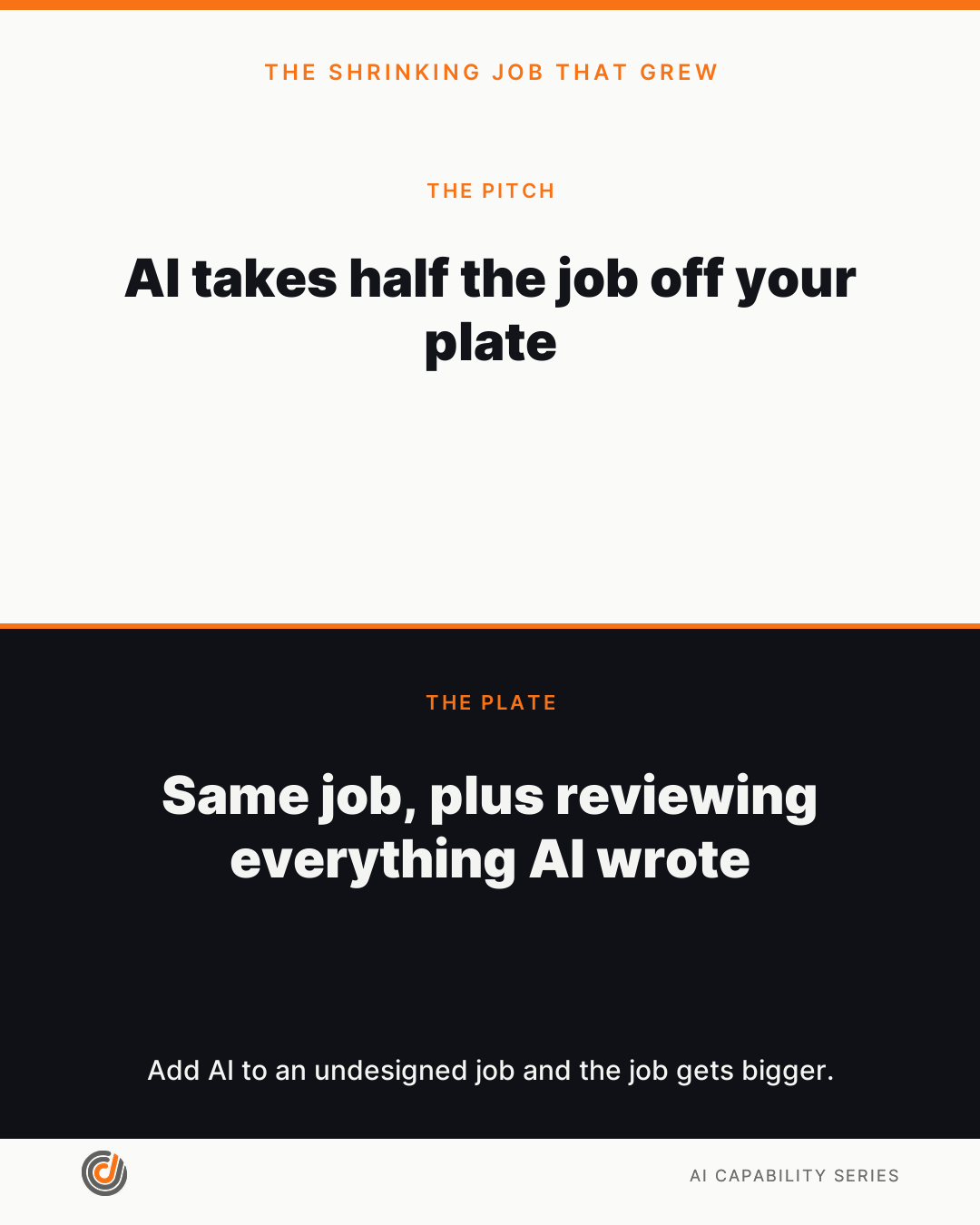
AI Made The Job Bigger
Everyone expected AI to shrink work. Inside real companies the job is getting bigger, because nobody redesigned the role the tool landed in.
We are all a little hooked on the model
Since Claude Fable 5 was approved for use again, I have been building roughly five times more than I did before. Anthropic keeps extending my access in small steps, a few days here, a week there, and today the window was
Keeping your experts is not enough
A study in The Lancet Gastroenterology & Hepatology followed experienced endoscopists, people with two thousand procedures or more behind them, after their clinics brought in AI detection tools. Within a few months, thei
NGOs have the most to gain from AI, and the most to lose
I spent a good part of last week in a room with several NGOs, brought in to teach them AI. We got to the tools. But the question that kept surfacing was not how to write a better prompt. It was simpler and harder than th
We are automating the apprenticeship
A Harvard study came out recently that I think deserves a lot more attention than it got. In firms that started using AI, the hiring of junior people fell by 7.7% over six quarters, while senior hiring kept rising. Nobod
The scarce skill isn't prompting
The OECD spent years studying AI and skills and published the summary on 5 June. Fewer than 1% of workers need advanced AI skills. Not ten percent. Less than one. I have read that line about thirty times, because almost
The value leaks at the top
Forty-two percent of people using AI at work now save at least a full day a week. Two-thirds of them are never told what to do with that time. The second number is the real story of the past seven days.
Reading is not capability.
See where your organisation stands in ten minutes, then build from there.